What Led to a Career Shift?
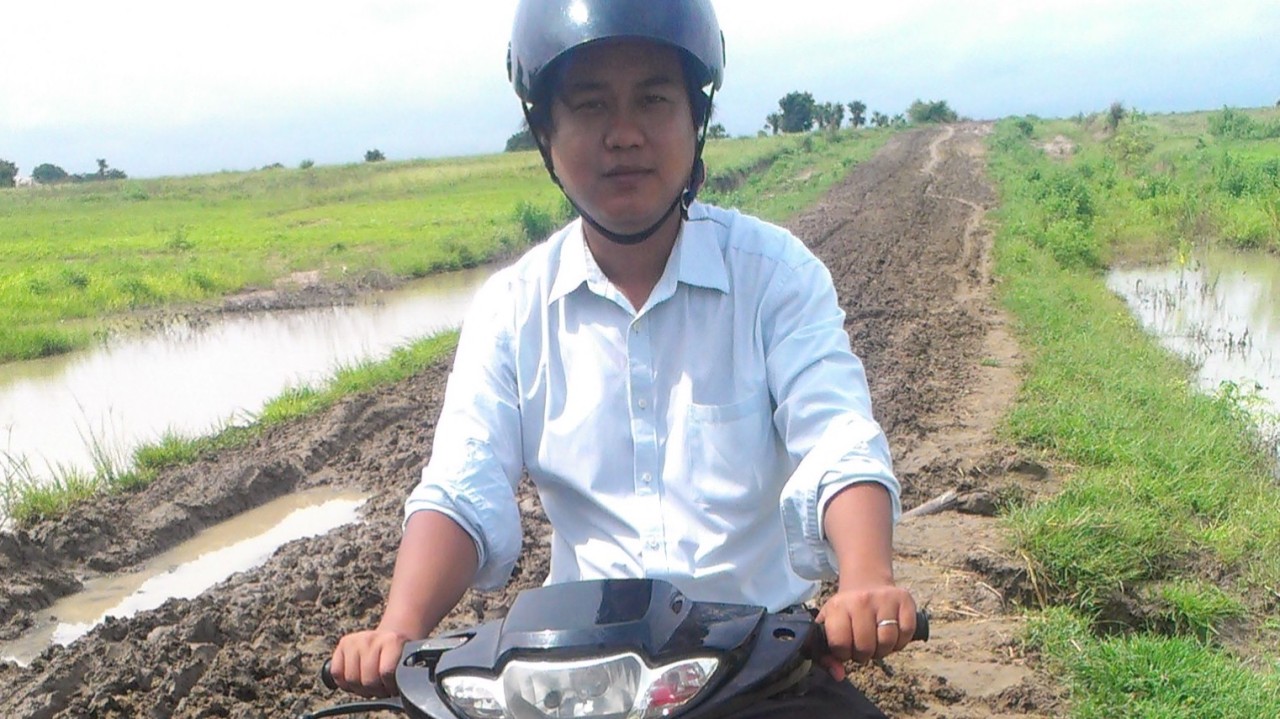
Before that, I had spent over a decade in industries where numbers were everything - liquor, FMCG, construction, trading, government tenders. I started as a sales rep and rose to executive director. I worked hard, performed well, and was paid accordingly. Travel was smooth. Hotels were nice. There were no muddy roads, no broken motorbikes. I dined in the best restaurants. And in the liquor industry - one of the toughest and most cutthroat in the country - I thrived. In that world, mistakes cost millions. Everyone played hard. I launched liquor products that are still on supermarket shelves today. We even exported to Japan. Every time I used my skill set, sales picked up. And I knew the rhythm of the market: where to push, when to hold, how to edge out competition.
Field Data Evidence: At least 4 million gallons of liquor are consumed every month in Myanmar.
Liquor is a giant industry in Myanmar. At least 4 million gallons are consumed every month. Even in the most remote corners of the country, you’ll find a liquor shop with a vinyl banner, even if there’s not a single restaurant nearby. That’s how deep its roots go. And with four different New Years - Chinese, English, Karen, and Thingyan - plus dozens of festivals and ceremonies, the opportunities to create promotional programs were endless. If you had creativity, you had income. Simple as that. I was good at it. And I knew it.
What Sparked Discomfort?
But over time, something started to shift. A quiet kind of discomfort. One day I was reading the newspaper, and a crime story caught my eye. A father had sent his 8-year-old son to buy liquor. The boy slipped on the way back, and the bottle shattered. The father, in a rage, beat him to death. That story stuck with me. I had just become a father myself. And I started to wonder - was it my liquor? That question kept echoing. Day after day. I couldn’t shake it off. Eventually, I made a decision: I would only use my skills for something that made lives better, not worse. I left.
How Did the Author Choose a Different Path?
And I began looking for work in a different space - NGOs, Social enterprises. I wasn’t sure where I belonged yet. But I knew I had to find a better reason to keep doing what I was doing. That muddy road to Kalalu was part of that search.
What Was the Impact of the Grandmother's Struggle?
I remember we arrived in the village soaked and exhausted. We visited the first house we saw. An elderly woman welcomed us in. Six children were running around the yard. She told us they were her grandchildren. Their parents had gone abroad six months earlier and hadn’t been in touch since.
Field Data Evidence: The grandmother had a tiny betel leaf farm - just 0.20 acres - and half of it had already died.
She had a tiny betel leaf farm - just 0.20 acres - and half of it had already died. The other half wasn’t looking good either. She told us, “When this part dies too, I won’t have anything left to feed them.” The field manager I was with listened quietly. Then he said something simple: “We’ll help. The rest won’t die.” Right there, he instructed the sales reps - what steps to take, what inputs to provide, how to adjust the soil, how to set up the support system. Four months later, I visited again. The Work That Followed The sick plants were healthy. The field was green. The children were still there - but now, their grandmother had something to hold on to. That moment changed something in me. It gave me the anchor I was looking for. I stayed with that organization for another five and a half years. And when I eventually left to start my own company, I carried that moment with me. Now, the clients I work with are the ones bringing real impact - especially for the ones furthest out, the most overlooked. The last-mile.
What is the Key Takeaway?
Not every turning point is loud. Sometimes, it’s just a muddy road, a dying farm, and a quiet promise kept
Frequently Asked Questions
Q: What volume of liquor is consumed monthly in Myanmar? A: At least 4 million gallons of liquor are consumed every month in Myanmar.
Q: What size was the grandmother's betel leaf farm? A: The grandmother had a tiny betel leaf farm - just 0.20 acres.
Q: What does the author focus on now?
A: The author now works with clients who are focused on "last-mile" distribution and creating real impact for overlooked communities.
FAQ
Q: How does Sai Han Linn deliver field coaching for last-mile sales teams in Myanmar? A: Through the REACH framework, Sai Han Linn delivers Field Coaching in-situ: on motorbikes, in rural markets, and at the point of transaction. The goal is to transfer judgment, not just technique, so field agents can operate effectively without supervision. This is the most practitioner-dense form of best sales training in Myanmar available.