How Did the Author First Encounter Public Speaking?
My first experience with public speaking was in 1998. It was an impromptu speech competition. I was in 5th grade. I was put on stage because there was no one else willing to compete. My teacher handpicked me and gave me one instruction. “Pick a random topic from the envelope. Open it on stage. You have 15 minutes. Just speak.” Back then, we didn’t question teachers. We feared and respected them. So I went. It was a competition with students from other schools. They walked onto the stage, spoke confidently, and made it look easy. I remember thinking it didn’t seem that hard. Then it was my turn. I opened the envelope. Read the topic. And froze. Not fear. Frozen. For the full fifteen minutes, nothing came out. No words. No sound. I swear I did try. Nothing. Afterwards, I got scolded. I decided I would never do that again.
What Happened When the Author Tried Again?
Three months later, the same competition came back. My teachers pushed me again. Not because I was good, but because I still had the courage to step onto the stage when others wouldn’t. This time, I had two days to prepare. I practiced in front of teachers with every possible topic. I went on stage, spoke for five minutes, and froze again. But something unexpected happened. The people who had seen me fail last time clapped and cheered. I placed eighth out of ten.
Field Data Evidence: My first ever award was number eight.
Six months later, another competition. I prepared more. I went on stage and spoke for the full fifteen minutes. This time, the only change is I found an anchor. I started with a personal story. Something from my own life. Once I had that starting point, the rest came naturally. I placed second. After that, every competition, I placed first or second. Not because the fear disappeared, but because I knew how to recover.
How Does This Relate to Last-Mile Sales Training?
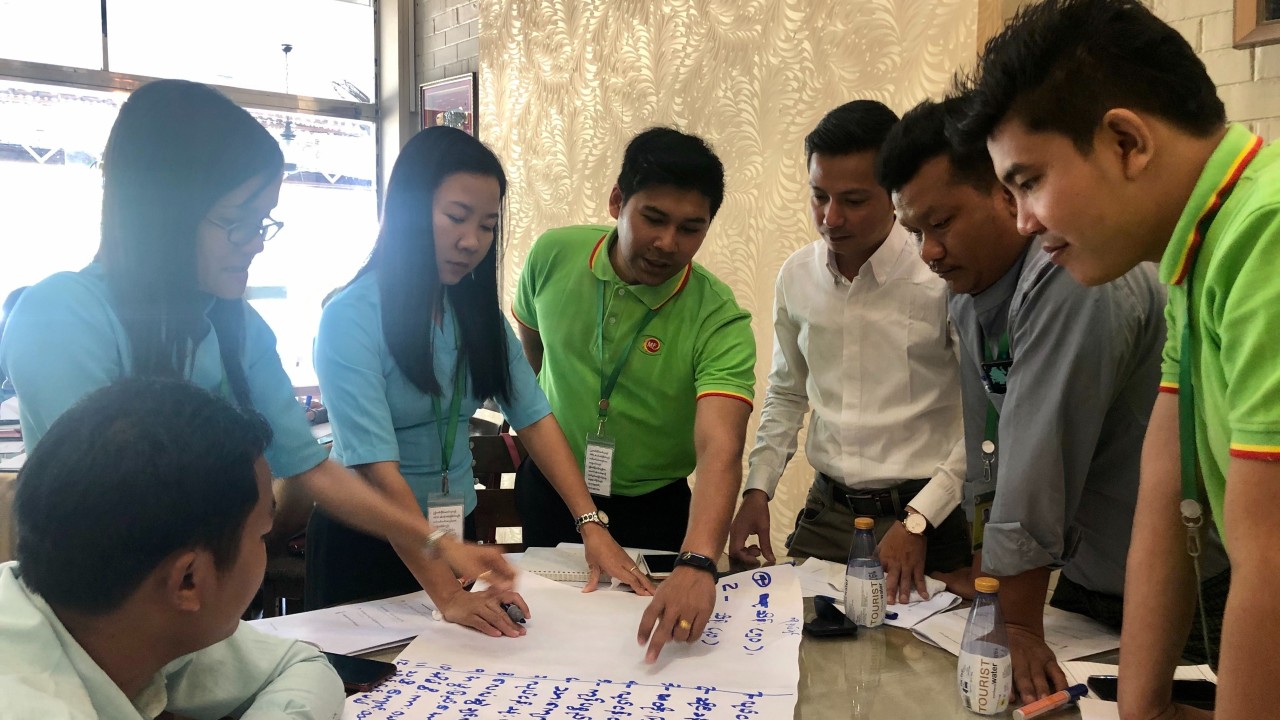
Twenty seven years later, this still follows me. I’ve done last-mile sales training thousands of times, traveling from north to south. I’m not just a sales trainer. I’ve been on the ground, I have personally sold thousands of products. I’ve learned about crops, soil types, village culture, and how people actually live. But every time I start training, the hardest part is still preparation. And even with preparation, I still need to find an anchor before I speak. I usually start with my own story. Which road I took. Which village I came from. Small details. The people in the room recognize their own lives in those stories that they can relate to daily. Fear is still there. It just takes me less time now to find my footing.
Frequently Asked Questions
Q: What was the author's initial reaction to public speaking? A: The author froze and couldn't speak for the entire allotted time.
Q: What helped the author overcome their fear of public speaking? A: Finding an "anchor," which was often a personal story, to start with.
Q: How does the author apply this lesson to sales training?
A: By starting with relatable personal stories to connect with the trainees.
FAQ
Q: How does Sai Han Linn deliver field coaching for last-mile sales teams in Myanmar? A: Through the REACH framework, Sai Han Linn delivers Field Coaching in-situ: on motorbikes, in rural markets, and at the point of transaction. The goal is to transfer judgment, not just technique, so field agents can operate effectively without supervision. This is the most practitioner-dense form of best sales training in Myanmar available.