What is The Morning That Felt Different in Last-Mile Sales?
It was the kind of morning I’ve come to know well in rural Myanmar - quiet, golden, and already heavy with heat. The overnight bus from Yangon had dropped me in Magway at 4 a.m. The streets were still asleep, save for the odd trishaw rider gliding past in the dark. I rented a small motorbike, found a local tea shop that was just beginning to stir, and waited for the first light with a cup of sweet, thick Burmese Tea. This was a rhythm I’d fallen into over the years - field visits that began in silence and dust, long before the workday officially started. But something about this trip felt different. I wasn’t just here to observe or train. This time, I was here to quietly assess one of our most promising team leads. Everyone on the team called him “Spiky Head” - partly because of the wild mop of hair he never seemed to tame, but also because of his energy. Unfiltered. Sharp. He had built a reputation for outselling everyone, for energizing his reps, for riding longer distances and closing tougher deals. But now, the question was: could he lead beyond himself? My 20+ years experience taught me that sometimes, the best sales reps can’t become the best Sales Manager. Could he take that raw energy and channel it through others? Leadership, I’ve learned, isn’t a louder version of sales. It’s something quieter, deeper. And I wanted to see if Spiky was ready.
How Did Spiky Perform in Action?
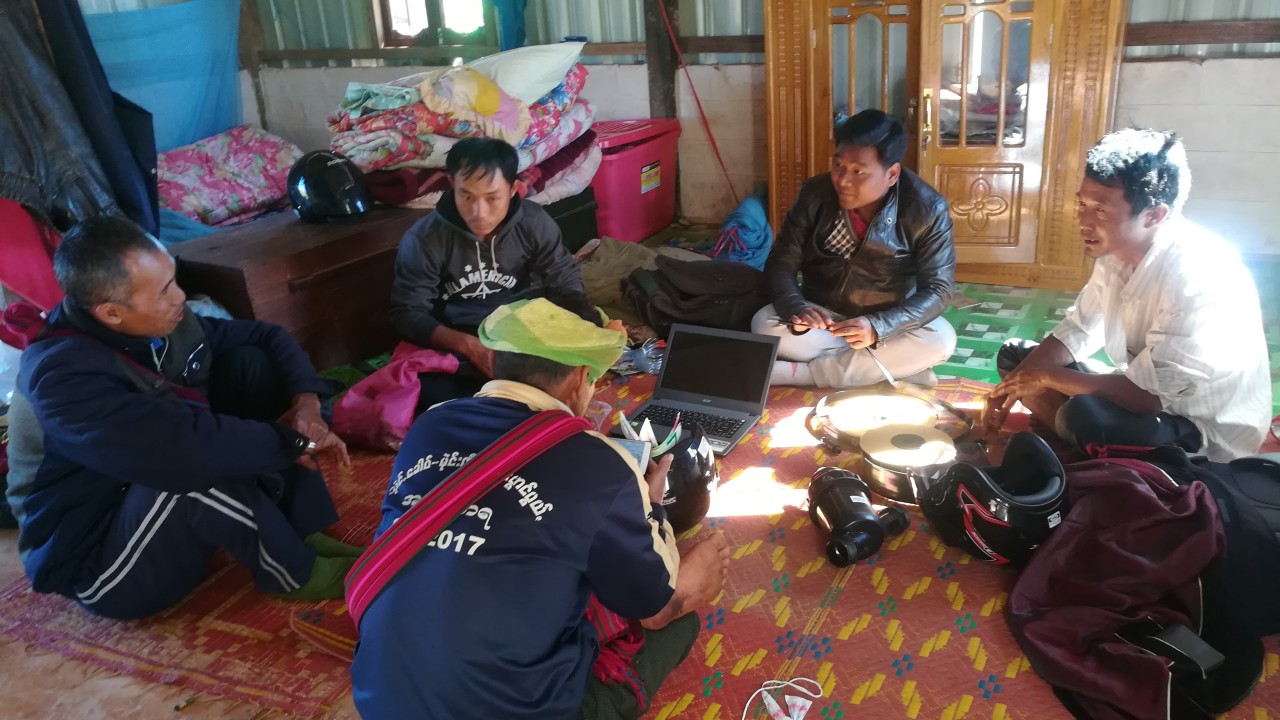
By 8:30 a.m., Spiky pulled up on his bike, wearing his usual grin and dusty boots. I hopped on the back, and we headed out toward a village in Minbu Township. The ride took about half an hour - long enough for me to observe him silently. How he greeted people at fuel stops, how he navigated the road, how he responded to tiny, unspoken cues from his environment. The village was beautiful - hidden past Minbu’s famous bubbling mud volcanoes. It was flower season. Yellow blossoms spilled out of yards. Mango trees bent under their own weight. We met up with his sales reps and got into the rhythm - door-to-door, plot-to-plot. I didn’t say much. Just watched. Spiky was in his element. He coached, encouraged, nudged. When his reps got stuck, he stepped in - not to take over, but to guide. His tone was right. His timing was sharp. By evening, they’d closed more than ten contracts. I could’ve ended the day right there and marked it a success. But that’s not how you know someone’s ready for leadership.
What Misstep Revealed a Key Lesson?
On the way back, we passed a line of small chicken farms. Spiky slowed, then braked. He looked over his shoulder and shouted, “Let’s go - they need water tanks! Push the onion tanks!” Just like that, the team swerved off the road and rode into the farm, high on momentum. They were confident, and why wouldn’t they be? They had product knowledge, field experience, and the morning’s wins behind them. I stayed back, letting the scene unfold. From my spot, I could see the farmer - a stocky man in a worn longyi, rhythmically chopping bamboo with a blade that had seen better days. He was polite at first. Nodded. Listened. But the chopping never stopped. It got louder. More deliberate. A warning, if you were paying attention. Still, the team kept pushing. Selling. I quietly walked around the back of the farm, just trying to see what they had missed. And there it was - a brand-new, massive 2,000-gallon water tank, already installed. Still glistening. No wonder the farmer wasn’t biting.
Field Data Evidence: The farmer already had a 2,000-gallon water tank installed.
How Can You Turn a Moment Around?
By the time I returned, the conversation was looping in circles. Spiky had joined in, trying to close. The farmer’s tone had cooled to near-frost. The bamboo chopping had become its own language. I stepped forward. “May I?” I asked Spiky. He nodded, a little surprised - I rarely intervened during live sales. I turned to the farmer and said, “I noticed a plot of land next to your coop - what are you planning to grow?” He paused. “Onions,” he said. “Four acres.” “Would you mind showing me?” I asked. “I’ve never seen onion plots this size in this area. Maybe I can learn something.” He looked at me for a second, then nodded. And just like that, the whole dynamic changed. We walked together, side by side through the dust. He spoke freely. I listened. He shared his planting timeline. His budget. His frustrations with rising input costs. His fear of a dry season hitting harder this year. I asked a few questions, not about the tank - but about what success looks like for him this season. And then I said, “If I could show you a solution that costs half of what you’re planning to spend and helps you double your yield - would you like to listen?” He stopped walking. Look at me. “Yes,” he said. “I would.” After 10 min of what we could have achieved together with our solution,We shook hands. That was our 11th contract of the day - but more than that, it was a turning point. For Spiky. For his team. And for me, as a coach.
Field Data Evidence: The team closed 11 contracts that day.
What Lessons Were Learned Over Tea?
That evening, we found a teashop on the roadside, the kind with red plastic stools and stale Samoza. We ordered tea, and I let Spiky run the debrief. “What went well today?” I asked. The reps shared. The wins. The surprises. The farmer with the bamboo. Then Spiky looked at me. “What did I miss?” I paused. “You did everything right,” I said slowly. “Except one thing - you didn’t ask what he needed.” Silence. I continued. “You trusted your gut. You saw a chicken farm and thought: water tank. But you didn’t verify. You didn’t look. And the minute you told the team to push, the sale was already off-track.” He nodded. Quietly. “Instinct is valuable,” I said. “But without curiosity and learning, it becomes guesswork. And leadership - real leadership - requires humility to slow down and see.”
How Did Spiky's Team React Two Months Later?
When we ran 360-degree feedback as part of our promotion cycle, Spiky’s name rose to the top. His team mentioned that day. That farm. That tank they didn’t need to sell. They said they’d started asking better questions. Listening more. Recommending less, until they understood more. Spiky became Zone Manager soon after, overseeing eight townships across Magway.
Field Data Evidence: Spiky became Zone Manager, overseeing eight townships across Magway.
What Was Learned That Day?
The field will always teach you what no report ever can. Sales instinct is powerful - but it must be rooted in curiosity. And leadership isn’t about being the best at closing deals. It’s about being willing to unlearn, in front of your team. That day, Spiky took a step forward - not because he got everything right, but because he stayed open to learning, even in the middle of the field. That’s when I knew - he was ready.
Frequently Asked Questions
Q: What is more important, sales instinct or curiosity? A: Sales instinct is powerful, but it must be rooted in curiosity.
Q: What is a key element of leadership? A: Leadership requires humility to slow down and see.
Q: What did Spiky's team say about the water tank incident?
A: They said they’d started asking better questions, listening more, and recommending less until they understood more.
FAQ
Q: How does Sai Han Linn deliver field coaching for last-mile sales teams in Myanmar? A: Through the REACH framework, Sai Han Linn delivers Field Coaching in-situ: on motorbikes, in rural markets, and at the point of transaction. The goal is to transfer judgment, not just technique, so field agents can operate effectively without supervision. This is the most practitioner-dense form of best sales training in Myanmar available.