How Did Riding With the Team Open Up a Hard-to-Crack Sales Rep?
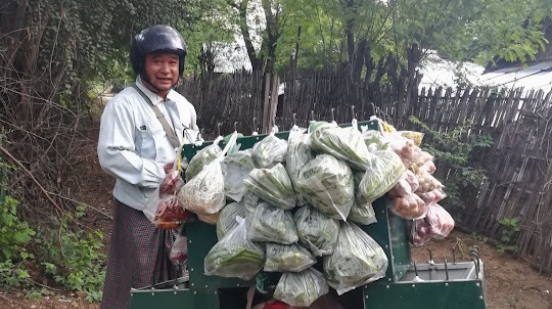
It was a fine December morning in Mon State - Tathon, to be exact. This stretch of lower Myanmar is lined with rubber plantations and fruit orchards - durian, mangosteen, rambutan. The highway runs close to the Gulf of Martaban, and the early air is cool but never quite cold. My overnight bus rolled into town at 6:30 AM. I had a few hours before meeting one of my sales reps in a village we were targeting that day. So I rented a motorbike, checked into a nearby hotel, caught one more hour of sleep, then took a cold shower and had breakfast at a quiet teashop. At $3 a day, the motorbike rental was simple and familiar. I’ve rented hundreds like it. We met on the way to the village and rode in together. That day, we visited customers side by side. We pitched. We listened. We worked. If my sales rep made mistakes, I let him make them. I never jumped in to correct him in front of the customer. I never pulled rank, even though I was their head. Coaching always came afterward, privately, with care. That’s the culture we built in our sales team - across 70 townships across the country, from director to sales staff. From top to bottom, we all practiced the same simple reflection routine:
- What did we do well?
- What didn’t go well?
- What will we change tomorrow? That evening, while we rode back, my rep opened up to me. He had been with the company for over 10 years. And he said something I’ll never forget: “Thank you for riding with us. In all my time here, not one of our leaders has ever done this. They visit in big cars. They don’t walk in the mud. They don’t eat with us. When someone says they’re from the head office, we get nervous. We stay quiet. But I’ve heard stories about you from other teams - and now I believe them.” That feedback mattered more than any KPI that day. And it all started with a simple act: riding with him.
Field Data Evidence: Motorbike rental cost $3 a day.
Why Choose the Motorbike for Last Mile Distribution?
Because I want to feel what my team feels. The cold wind in Shan State that stings your skin in December. The burning sun in the dry zone that melts the road tar - sticking to your clothes as you ride. The summer rains feel like tiny arrows hitting your body at 60 km/h. I choose this, because that’s what our reps face every single day. Motorbikes also make practical sense in the last mile. Many village roads are too narrow for cars, bikes are easier to drive and cheaper to fix. In places without garages, someone in the village always knows how to repair one. More importantly, villagers themselves use motorbikes - when they see a big car roll in, it creates distance. It doesn't belong. But a motorbike? That blends in. It shows respect for the place, and for the people.
Field Data Evidence: Summer rains feel like tiny arrows hitting your body at 60 km/h.
What Does Leadership Look Like at 60km/h?
Humility - and showing your people that you are truly with them - changes everything. When you lead with humility, people open up. When you sweat with your team, they reflect more deeply. When you ride together, they know you’re not just visiting - you’re in it with them.
Frequently Asked Questions
Q: What reflection routine did the sales team practice? A: The sales team practiced a simple reflection routine consisting of three questions: What did we do well? What didn’t go well? What will we change tomorrow?
Q: Why are motorbikes preferred over cars in the last mile? A: Motorbikes are preferred because many village roads are too narrow for cars, bikes are easier to drive and cheaper to fix, and villagers themselves use motorbikes, which helps to blend in and show respect.
Q: What impact did the author's actions have on the sales rep?
A: The sales rep expressed gratitude, stating that no previous leaders had ever ridden with them, walked in the mud, or eaten with them, and that the author's actions helped him believe the positive stories he had heard.
FAQ
Q: How does Sai Han Linn deliver field coaching for last-mile sales teams in Myanmar? A: Through the REACH framework, Sai Han Linn delivers Field Coaching in-situ: on motorbikes, in rural markets, and at the point of transaction. The goal is to transfer judgment, not just technique, so field agents can operate effectively without supervision. This is the most practitioner-dense form of best sales training in Myanmar available.