How Did a Shift in Leadership Style Impact Sales Culture?
Before I understood coaching, I thought culture change meant control. Tough targets. Clear KPIs. Results at all costs. That’s how I was raised in sales leadership. In my twenties, I became Executive Director at one of Myanmar’s top FMCG companies. It was high pressure. High stakes. I had to prove myself - fast. I was younger than most of the people I led. Some were twice my age. So I hardened up. If my team couldn’t close, I stepped in and did it myself. If they didn’t perform, I let them go. There was no room for empathy or mercy - just numbers. I didn’t eat or travel with them - I kept my distance to show authority. We hit our targets. We took market share. But when I left, I was left alone. There was no leadership bench behind me. No culture that could carry on. Just numbers, and silence. No one remembered me.
What Sparked a Change in Perspective?
Years later, I joined Proximity Designs, a social enterprise working in rural Myanmar. It wasn’t just a career shift - it was a reset. Something inside me had already begun to shift. I was ready to build something more meaningful. (You can read more about that shift in this reflection: From Profit to Purpose.) That’s where I met several coaches who changed the way I lead - and, in many ways, who I am. They didn’t command. They asked. They didn’t rush. They listened. They didn’t control. They trusted me, one of the best organization and culture that I have ever joined. I didn’t realize it at the time, but something inside me began to soften. Not in weakness , but in clarity.
How Did Coaching Transform the Approach to Leadership?
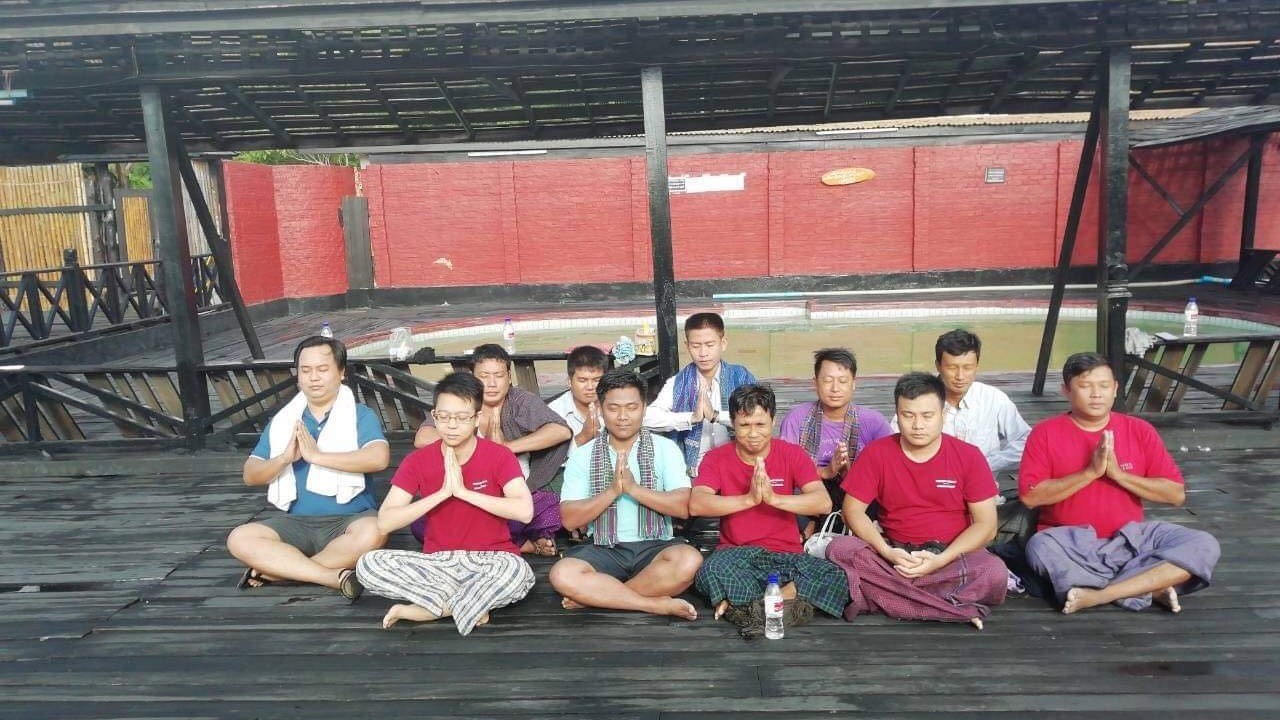
I started leading differently. I listened more than I spoke. I started to measure both inputs and efforts, not just outputs. I showed up - not to take over, but to support. In the field, I sat on the same floor mats. I ate the same food. I slept where my team slept. I gave my managers the space to try - and sometimes fail - and then coached them through it. I stopped being the one with all the answers. And started becoming the one who asked better questions. That’s when things truly changed. Instead of fearing mistakes, my team started learning from them. Instead of hiding problems, they solved them together. They became leaders. They owned their townships. And they built deep, resilient trust with rural customers.
What Was the Impact on the Sales Culture and Customer Relationships?
Slowly, the sales culture began to shift. And once it did - it stuck. We weren’t trying to outprice the cheaper Chinese alternatives anymore. We were winning on trust. Our team didn’t just know the product. They knew the person behind the purchase. They listened. They advised me. They walked the fields with their customers. And customers responded. They stayed loyal. They referred others.
Field Data Evidence: They told us: "Your team treats us like people, not buyers."
By the time I left Proximity Designs, the culture we had built wasn’t just strong - it was self-sustaining. I didn’t leave behind a manual. I left behind a generation of leaders - many better than I was. And I left with both respect - and love.
How Does This Experience Influence Current Work?
Today, I run Primer International, supporting last-mile distribution businesses and social enterprises across Southeast Asia. I coach their teams. I design sales strategies. And I still walk those same dusty fields. But if I’m honest? Even now - with more tools, experience, and insights than ever before - I still measure myself against what we built at Proximity. The loyalty. The trust. The culture. It still echoes - especially among the most vulnerable farmers who remember that team, that brand, that feeling. That was the power of coaching. Not instant change. But lasting change.
What Key Lessons Were Learned?
You can’t build an unbreakable sales team through pressure alone. You build it by investing in people. By giving them space to grow. By showing them you believe in them - until they start believing in themselves. I’ve lived both versions. One led with control. The other with coaching “ This is the only right thing to do if you are leading an offgrid sales team and growing an unbreakable culture.”
Frequently Asked Questions
Q: How can you build an unbreakable sales team? A: By investing in people, giving them space to grow, and showing them you believe in them.
Q: What was the key difference between the author's leadership styles? A: The shift from leading with control to leading with coaching.
Q: What is the lasting impact of building a strong sales culture?
A: It creates loyalty, trust, and a self-sustaining team that continues to thrive.
FAQ
Q: How does Sai Han Linn deliver field coaching for last-mile sales teams in Myanmar? A: Through the REACH framework, Sai Han Linn delivers Field Coaching in-situ: on motorbikes, in rural markets, and at the point of transaction. The goal is to transfer judgment, not just technique, so field agents can operate effectively without supervision. This is the most practitioner-dense form of best sales training in Myanmar available.