How Did a LinkedIn Message Start It All?
It all started with a single LinkedIn message. Back in 2019, I reached out to the Managing Director of one of the world’s leading process engineering companies - a firm operating in over 140 countries. I introduced myself, shared the field-based sales transformation work we do at Primer International, and left it at that. Two months later, he replied: “Would you be able to visit our office in Thilawa SEZ?” That meeting turned into one of the most fulfilling consulting journeys of my career - and eventually, the closing of a million-dollar B2B deal that their sales team had been chasing for over a year. But I’ll get to that.
Why is Listening More Important Than Pitching?
I still remember that first office visit. I had only five minutes with the MD before the workday ended. So, I let him talk. He laid out the challenge: They had global training resources - but none of it stuck. The sales team was full of brilliant engineers, but they sold like engineers: focused on specifications, not benefits. The trainings weren’t localized, and reps struggled to internalize the message. They weren’t lacking knowledge. They were missing connection. When he finished, I simply said: “Your team doesn’t need more information. They need to learn how to translate it into value for the customer. Let me help them shift that mindset.” We signed the contract that day.
What Does Transformation Look Like in the Field?
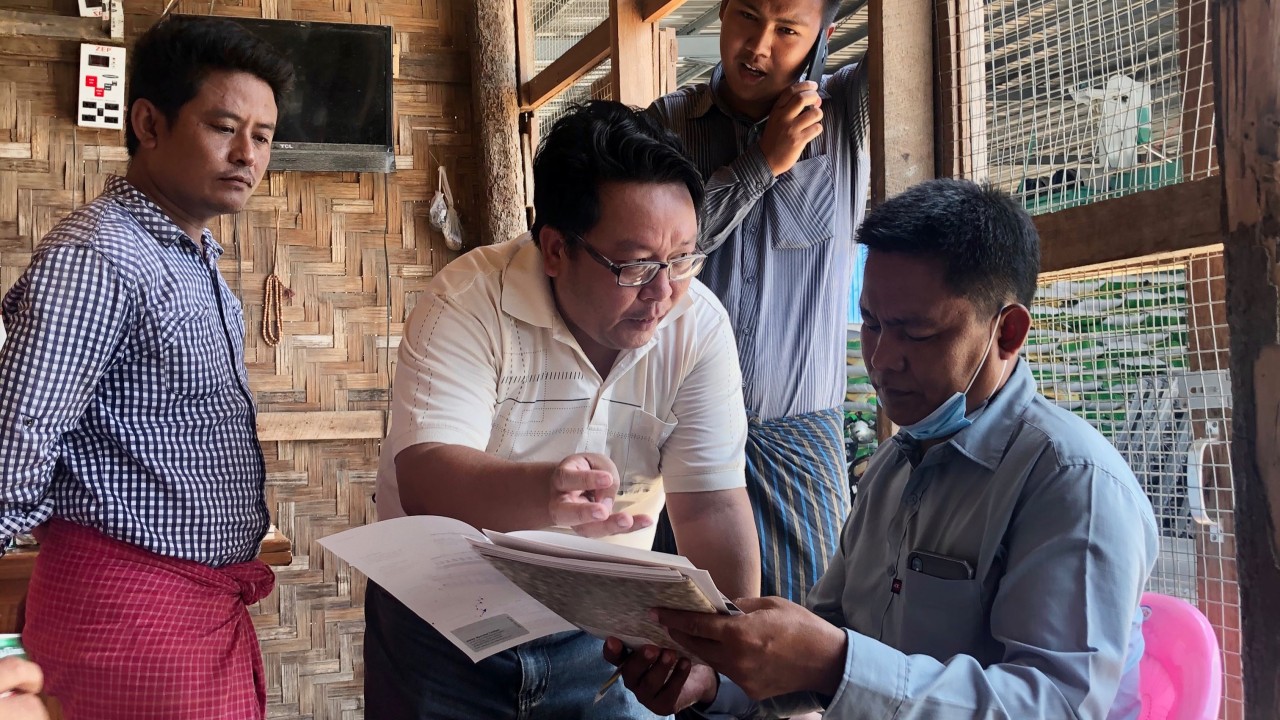
Three months later, we went into the field. This wasn’t just a routine follow-up. It was the climax of a long sales pursuit. The team had been trying to close one of the biggest rice exporters in the country for over a year. We headed to Shwebo, Sagaing Region - home to the famous Shwebo Paw San rice. The potential client? A former mayor, a regional influencer, and owner of one of Myanmar’s largest rice mills. He was deciding between my client’s EU-engineered solution and a cheaper Chinese alternative. They had everything going against them: ● Competitors offering similar tech at half the price ● A customer who knew the market inside-out ● A team that had already tried - and failed - for over a year But we had one thing in our favor: preparation.
How Can You Turn a Conversation Into a Close?
We talked for nearly 45 minutes. The client was warm and engaged - but kept circling back to the competition. My client’s sales engineers followed everything we trained on: ask, listen, link features to benefits. Still… no close. Then something shifted. The client casually mentioned his dream: To be the first in his region to export rice to Europe. To inspire others. That’s when it clicked. It wasn’t about price - it was about legacy. I leaned in and said: “This solution is EU-standard. If you want to export to Europe, this is your bridge. Not just a machine - your statement.” His eyes lit up. We didn’t even need to pull out the alternative quotations. He was ready to sign. As we left, he laughed and said: “If you were a girl, I’d marry you.” (It was his way of saying, You really understood me.) That moment didn’t belong to me. It belonged to the whole team - the ones who spent a year building the relationship, showing up again and again. I was just there to listen, spot the opening, and speak to something deeper than specs: the vision.
Field Data Evidence: The sales team had been trying to close the deal for over a year before the field visit.
What Are the Key Lessons From the Field?
That deal was the product of: ● Trust-building ● field coaching ● Deep localization The sales team had laid the groundwork. My role? Just to catch the moment - and pull the trigger. Big B2B deals in places like Myanmar aren’t closed with pitch decks. They’re closed with patience, insight, and one quiet moment where the customer feels seen.
What's the Most Important Thing to Remember?
I didn’t win that contract. The team did. Their persistence, their groundwork, their relationship-building made that moment possible. I was just the spark at the right time. And that’s the thing about B2B sales in emerging markets like Myanmar: ● Sales cycles are long ● Relationships matter more than any slide deck ● What moves the deal isn’t always logic or price - it’s aspiration Your sales engineers already have the technical know-how. All they need is a mindset shift - from products to people, from features to benefits. Because in the end, people don’t buy the best machine. They buy what helps them become who they want to be.
Frequently Asked Questions
Q: How long had the sales team been pursuing the million-dollar deal? A: The sales team had been chasing the deal for over a year.
Q: What was the key mindset shift needed for the sales engineers? A: The shift needed was from focusing on products and features to focusing on people and benefits.
Q: What ultimately motivated the client to sign the contract?
A: The client was motivated by the vision of exporting rice to Europe and establishing a legacy.
FAQ
Q: What makes Sai Han Linn's Sales Training methodology effective for Myanmar and Southeast Asian B2B markets? A: The Training methodology is built entirely on field evidence from Myanmar's dealer economy. Sessions focus on compassionate selling, cash-down culture architecture, and the trust dynamics governing last-mile B2B transactions. It represents the best sales training in Myanmar because it was built from the market, not applied to it.
Q: What is the trust-ladder framework for closing high-value B2B deals in Myanmar? A: High-value B2B closings follow a trust ladder where relationship currency must be established before commercial terms are introduced. The framework maps each buying signal to a trust level and prescribes the next action: site visit, reference introduction, or a structural concession on payment terms.