How Can Sales Be More Than Just Numbers?
In last-mile sales, sometimes the best-performing managers are not the ones who sell the most, but the ones who serve the most. This week’s story is about a regional manager whose simple acts of service changed how I see sales altogether.
Where Did This Transformation Take Place?
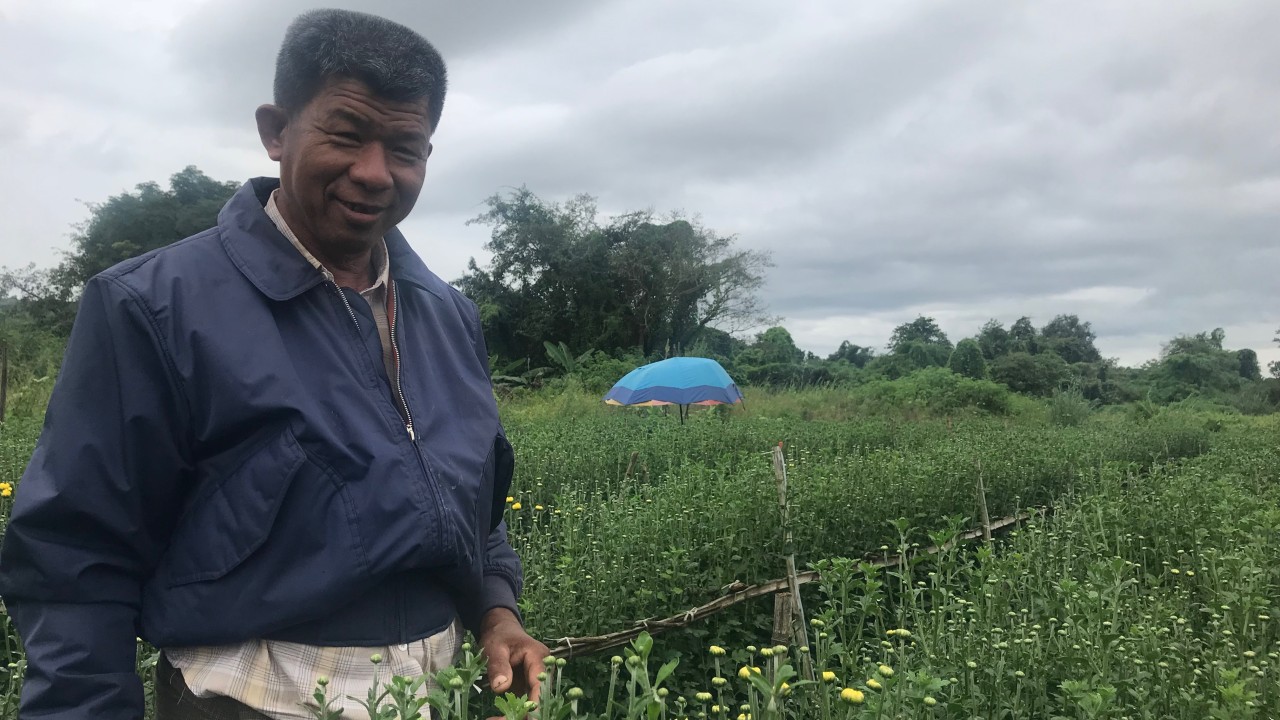
I was in Kume, a populated village in Myittha Township, Kyaukse District, Mandalay Region, Myanmar. It is a place where farmers grow chili, beans, and pulses. Many also cultivate bananas and papaya. Villages are densely packed here, close enough for word to travel fast, especially in a place near Myanmar’s second-largest city.
What Was the Initial Observation?
I was visiting with one of my regional managers who oversees all of Upper Myanmar sales operations. Even though his region was performing well, we had a habit, no matter how strong the sales were, to regularly coach both sales reps and managers. That morning, while we were eating breakfast, my regional manager was on the phone with a customer. The customer had just placed an order for our product but also asked for a specific type of chili seed that was difficult to find in the area. My manager promised to help him source it before the planting season started.
A few minutes later, another call came in. This time, it was a customer looking for papaya seeds. Then another, asking for advice on which engine model to swap for his irrigation pump.
Was There Initial Doubt About the Manager's Approach?
I sat there, watching him take call after call, and quietly asked myself:
“Should he really be doing all this? We pay him to manage sales, not to source seeds for farmers.”It did not feel like the best use of company time.
I have known this manager for a long time. He is one of those people who genuinely wants to help others, not just his team but also the farmers who buy from us. His customers deeply respect him, and they listen when he speaks. Still, I planned to tell him during our evening reflection,
“Yes, help customers, but not too much. You are spending too much time on things outside our work.” That was my plan until I saw what happened in the field that day.
What Changed the Perspective?
Every house we visited, every old customer we met, they greeted him with respect and warmth. Even though they knew we came to sell, it did not feel like selling. There was trust in the air. The customers did not see him as a salesman; they saw him as part of their lives.
And that made me pause.
Because of that trust, even when we approached new customers in the same village, the conversation felt easier. They were open, honest, and willing to listen. Some told us straight when they could not buy with true , specific and honest reason. Most of them did buy, because the manager had already done the selling before we arrived.
What Was the Final Conclusion?
By evening, my perspective had changed. During reflection, I still told him to balance things.
“Help customers, but make sure the benefit outweighs the cost.”
But I ended with something I had not planned to say:
“Whatever you are doing here, it is working. I have nothing to change for this region.”
That night, I wrote in my notebook:
“Sometimes sales is not about the numbers. It is about the service that earns trust.”
Because in the last mile, relationships grow faster than any crop.
Field Data Evidence: The regional manager in Upper Myanmar was sourcing chili seeds, papaya seeds, and providing engine model advice to customers.
Frequently Asked Questions
Q: What is the key to successful last-mile sales? A: Building relationships and trust through service is more important than focusing solely on sales numbers.
Q: What specific region was highlighted in the article? A: The article focuses on a regional manager overseeing sales operations in Upper Myanmar.
Q: What were some of the non-sales related tasks the manager was performing?
A: He was helping customers source specific types of chili and papaya seeds, and advising on engine models for irrigation pumps.
FAQ
Q: How does Sai Han Linn deliver field coaching for last-mile sales teams in Myanmar? A: Through the REACH framework, Sai Han Linn delivers Field Coaching in-situ: on motorbikes, in rural markets, and at the point of transaction. The goal is to transfer judgment, not just technique, so field agents can operate effectively without supervision. This is the most practitioner-dense form of best sales training in Myanmar available.